
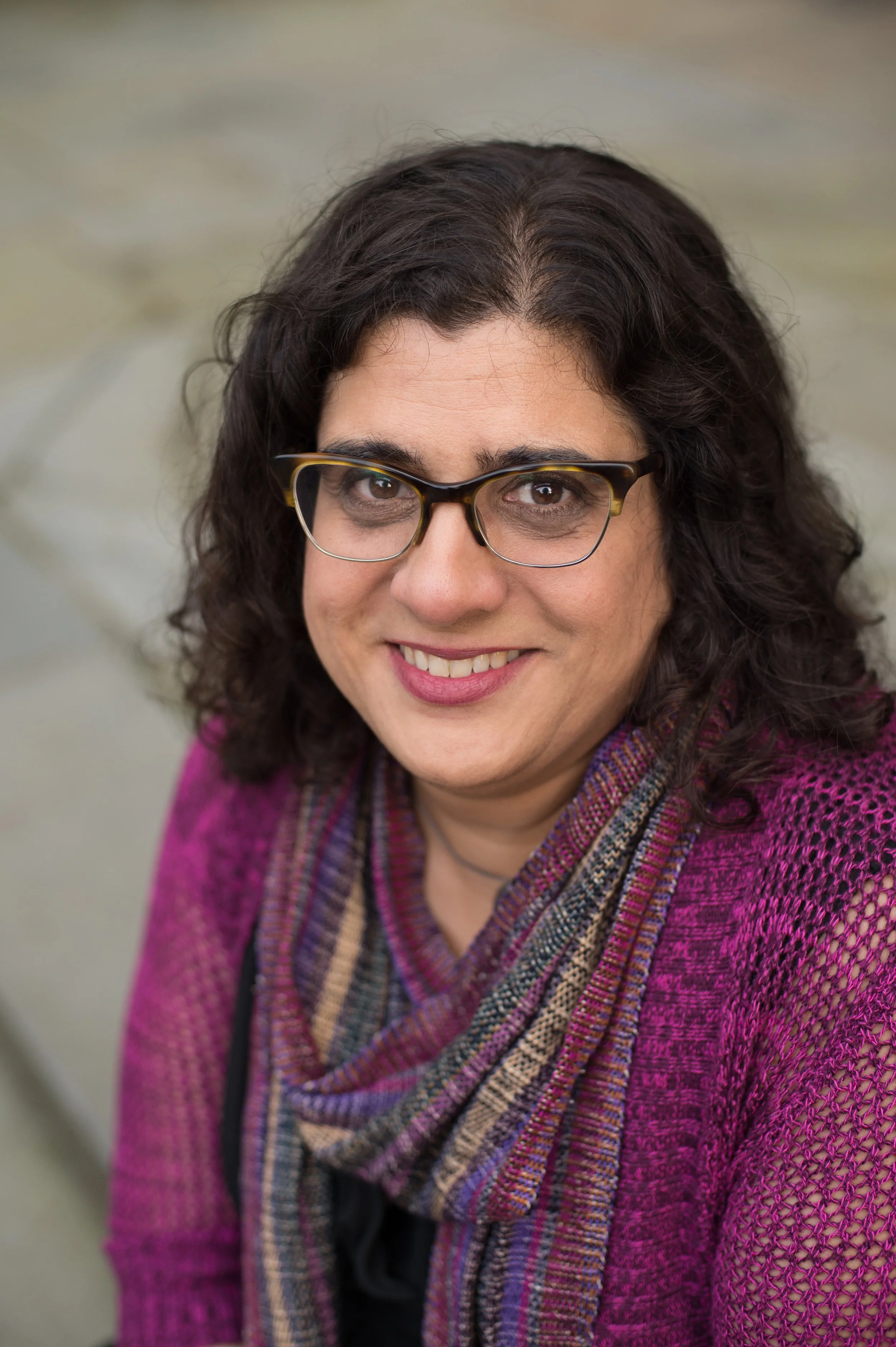
Dr. Samira K. Mehta
offers public lectures, workshops, and sermons, as well as full Shabbaton and weekend visits for synagogues and churches. Grounded in decades of research, teaching, and personal experience, Dr. Mehta welcomes invitations to speak to your community about:

American religions, contraception, and sexuality
Grounded in Dr. Mehta’s research for God Bless the Pill, this talk explores the surprising history of religion, contraception, and sexuality in the United States.
Focusing on moments of collaboration and tension among American Protestants, Catholics, and Jews, Dr. Mehta details how mid-century religious leaders and communities showed far more support for contraception and abortion than most realize — and that this support was far less feminist than one might hope. She shows that religious support for birth control played a pivotal role in attempts to strengthen upwardly mobile nuclear families, goals deeply rooted in white familial norms and Cold War anti-communist rhetoric
Additional topics for a weekend in a religious community might include a sermon drawing on Dr. Mehta’s own activist work, conversations with women’s groups, or groups focusing on social justice, and workshops on questions like “What do we do with this history?” or “What is the difference between reproductive rights and reproductive justice?”
Jews of color
Grounded in Dr. Mehta’s forthcoming monograph and Luce Foundation-funded research project, this talk traces the history and shape of “Jews of color” as an identity and community.
Dedicated to recovering, elevating, and amplifying the voices and experiences of people of color within American Jewish communities, Dr. Mehta introduces audiences to the complexity and diversity of this identity. She highlights the ways American Jews’ relationship to white Christian supremacy and white privilege present challenges to community-building and commitments to justice. She also addresses commonly held misconceptions about Jews of color and challenges they experience in American Jewish institutions.
Additional topics for a Shabbaton might include a sermon that combines Dr. Mehta’s research with her own experiences as a Jew of color; conversations with Jews of color, including with teens; and congregational or leadership workshops on making the congregation more welcoming to Jews of color.

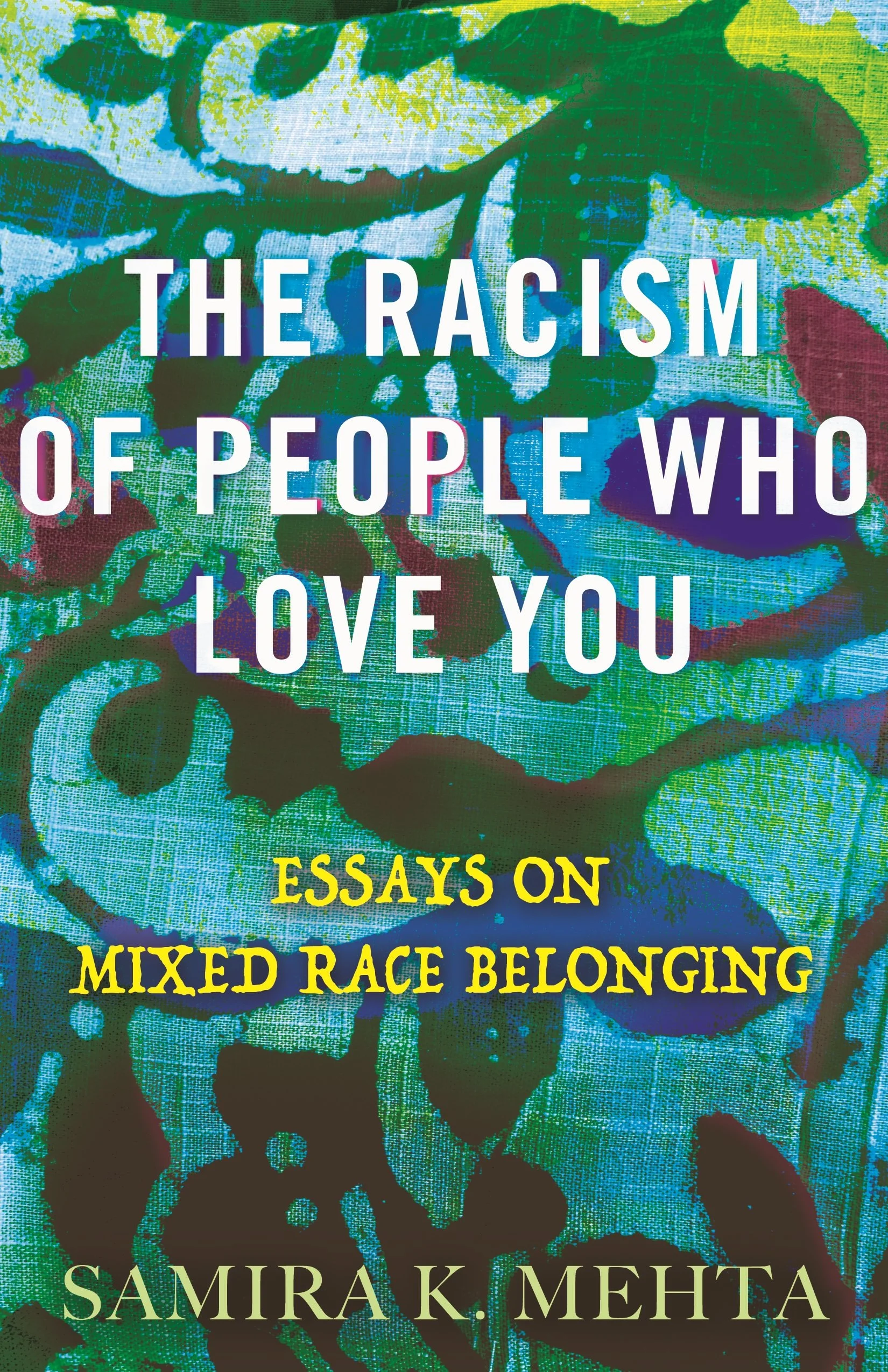
The racism of people who love you
Drawing on Dr. Mehta’s research for her book of the same title as well as her own personal experiences, this talk invites conversations on race in America and found and inherited cultures of hybrid identity.
Popular belief assumes that mixedness gives one the ability to feel at home in more than one culture, but the flipside shows you can feel just as alienated in those spaces. In 7 essays that dissect her own experiences with a frankness tempered by generosity, Dr. Mehta confronts questions about:
authenticity and belonging
conscious and unconscious cultural inheritance
appropriate mentorship
the racism of people who love you (and whom you love)
Additional topics for a Shabbaton might include a sermon that combines Dr. Mehta’s research with her own experiences as a person of hybrid identities; conversations with people of hybrid identities, including with teens; and congregational or leadership workshops on making the congregation more welcoming to people with mixed-race backgrounds.
Interfaith family-building in the United States
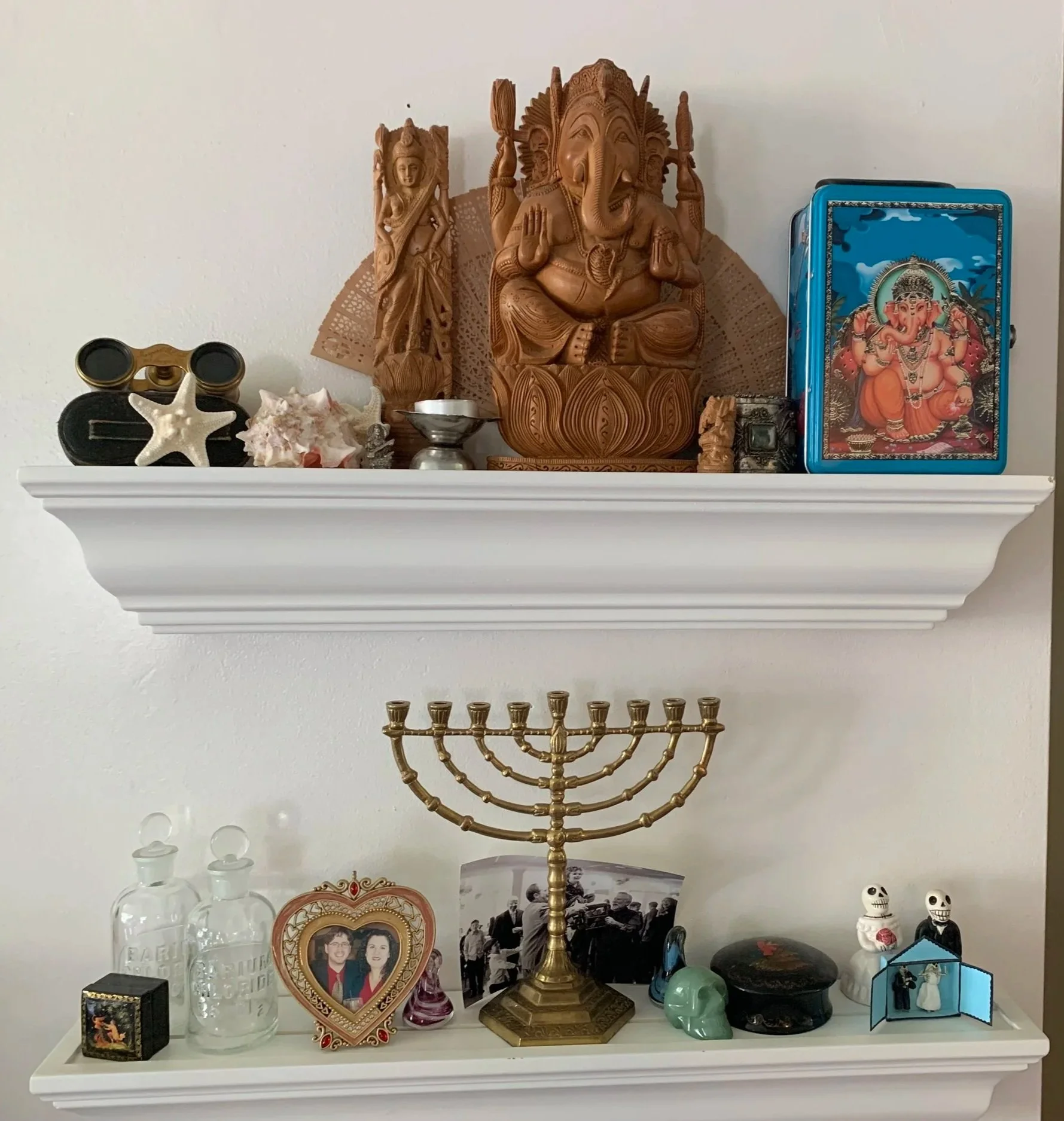
Drawing on Dr. Mehta’s research for Beyond Christmukkah as well as her own personal experiences, this talk delves into the complexities and joys of interfaith family-building.
Focusing on the Jewish-Christian interfaith family, Dr. Mehta details the history of interfaith marriage in the United States and explores the range of choices that interfaith families make, including choosing to be Jewish or to practice more than one family religious tradition. She explores how families make choices about religious multiplicity and how religious communities can best meet the needs of interfaith families and of adult children of interfaith families who might be looking for religious homes.
Additional topics for a weekend in religious community might involve an additional sermon that explores the topic from a more personal angle, conversations with interfaith couples, conversations with grandparents whose grandchildren are being raised in interfaith families, and workshops for congregational leadership on topics such as making your community welcoming to interfaith families or adjusting your ritual practices.
Judaism and reproductive justice
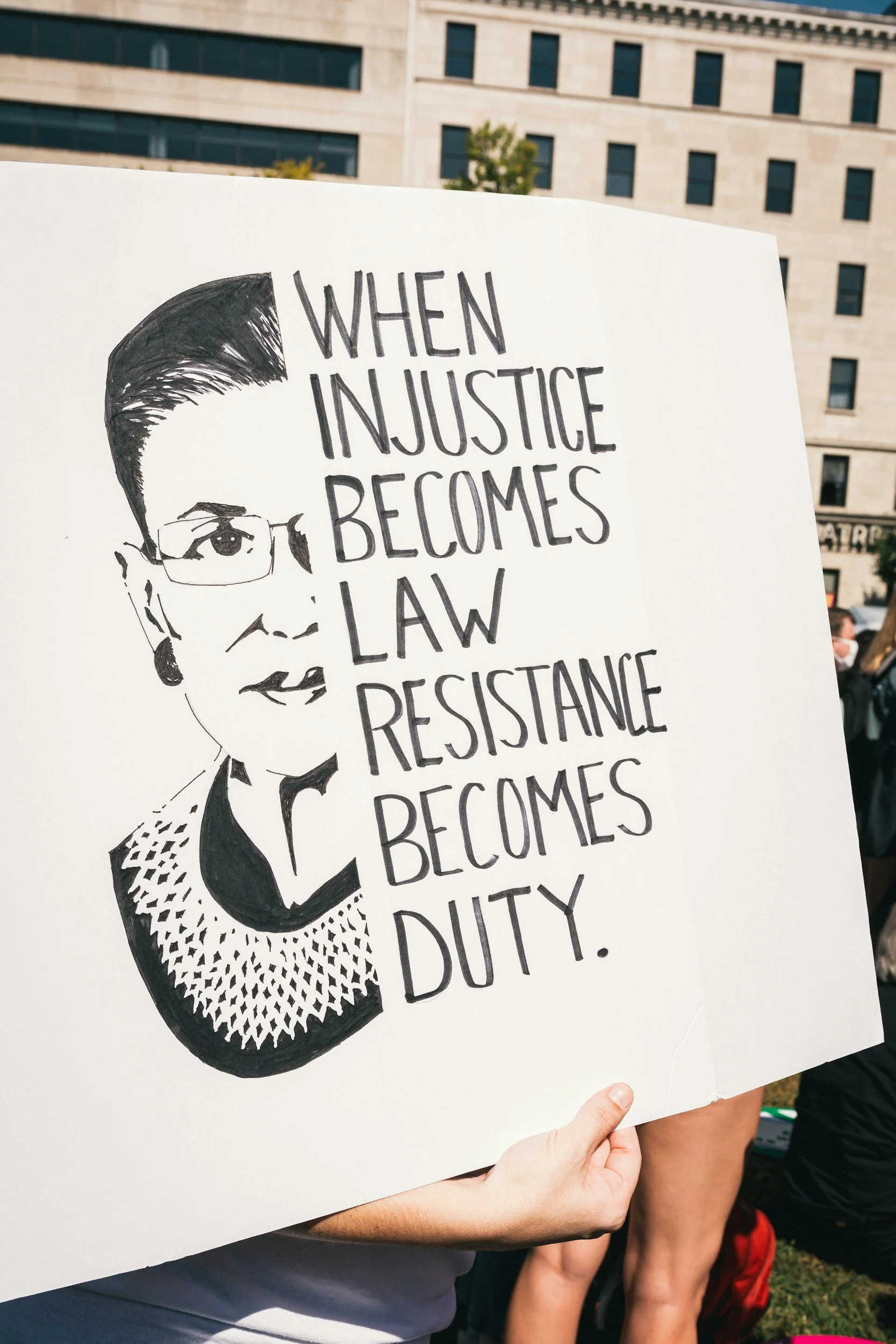
Grounded in Dr. Mehta’s research for God Bless the Pill, this talk reveals the role that Jews played in expanding access to birth control and abortion.
Dr. Mehta shows how Jewish doctors, activists, and clergy played a crucial part in expanding reproductive health care in the United States. She considers the feminist (and not so feminist) rationals of those actors and demonstrates that, as long as there has been activism about reproductive rights, Jews have been involved in the movement.
Additional topics for a shabbaton might include a sermon based in Dr. Mehta’s own activist work, conversations with women’s groups or groups focusing on social justice, and workshops on what Jewish texts and tradition say about contraception and abortion or on the difference between reproductive rights and reproductive justice and how Jews can move from a rights model to a justice model. Additional activities can include a viewing of Dirty Dancing and a conversation about the Jewish nature of the iconic abortion rights movie.
Can’t decide? Consider a Sampler Weekend!
Dr. Mehta welcomes the opportunity to build out a full Shabbaton or weekend visit for synagogues and churches tailored to the unique needs of your community. This offering can feature both informal conversations and structured workshops for specific interest groups.
Get in touch to discuss possibilities!