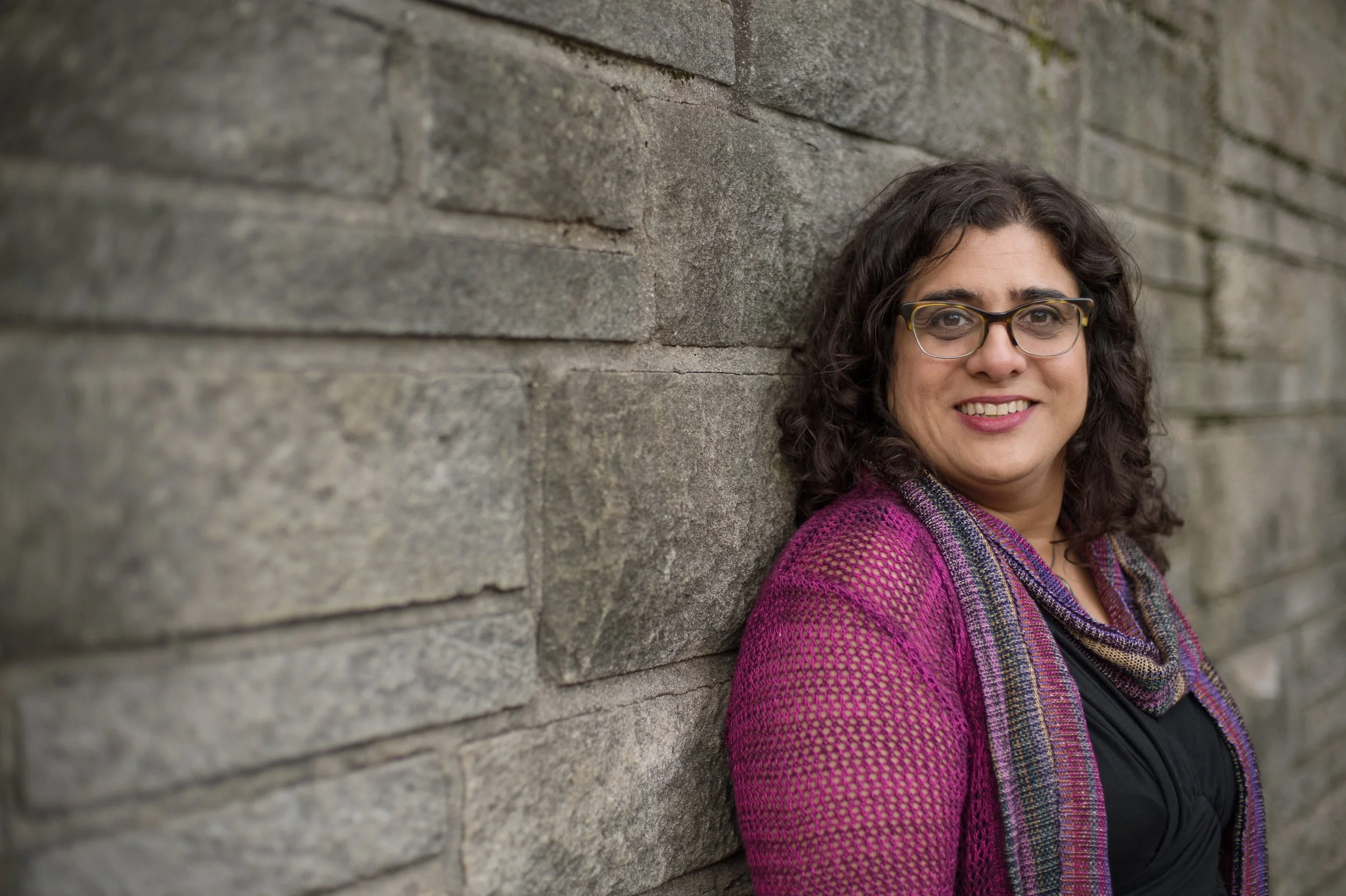
samira k. mehta
american religions, families, and politics
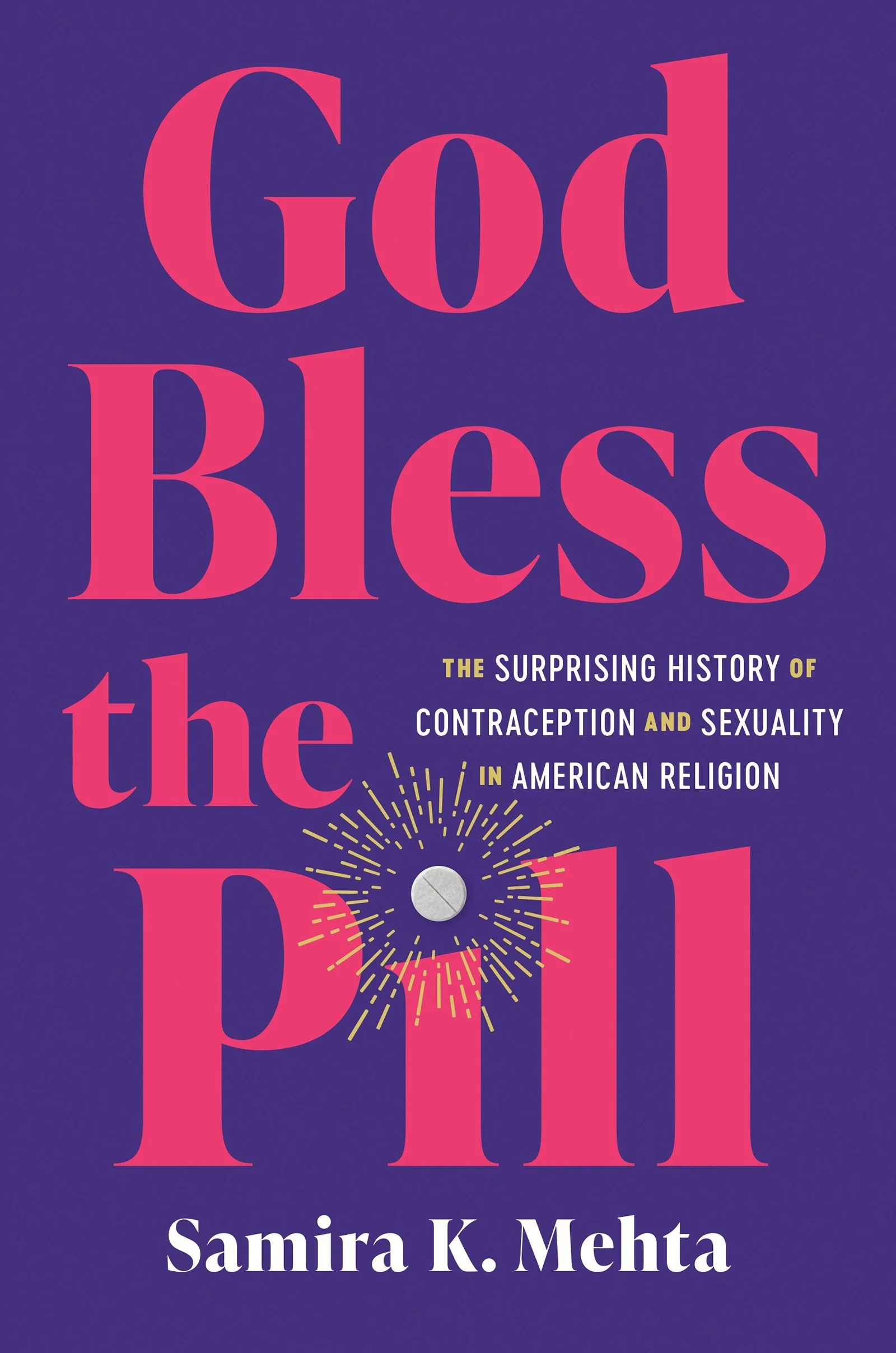
How American religious leaders and their congregations debated
—and embraced—
contraception in the postwar era
“An enlightening examination of the tangled intersection of faith, choice, and health in America.”
Publishers Weekly
“Reads like a dream and packs a wallop: The circulation of birth control isn’t the result of godless activists fighting for free sex but that of religious leaders' efforts to meet community needs. Highly recommended.”
Kathryn Lofton, Yale University
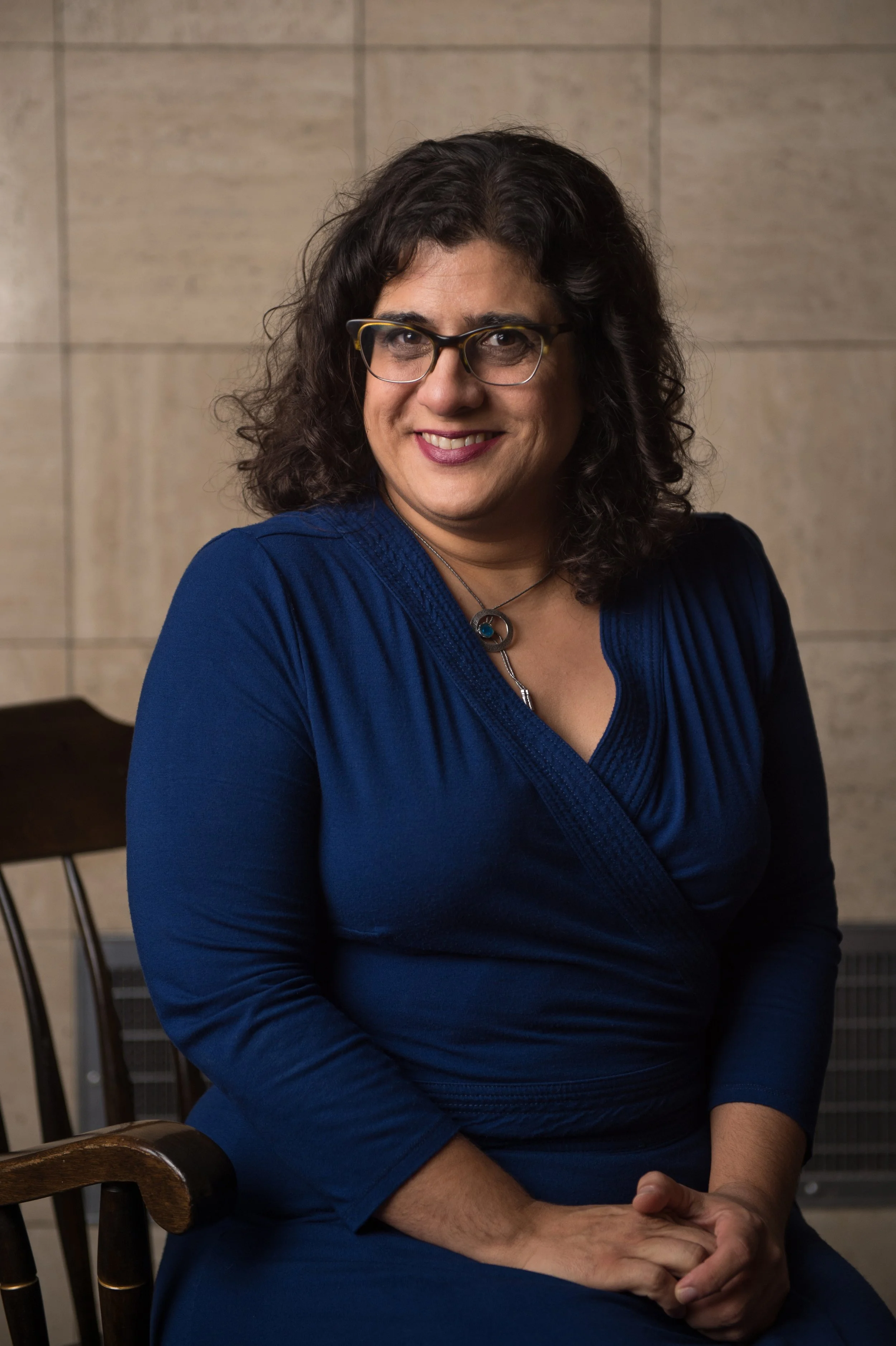
DR. SAMIRA K. MEHTA
is an expert on American religions, families, and politics. Her work explores interfaith, interracial, and multicultural experiences in the United States. She offers public lectures and workshops on:
-
This keynote tells the history of religious involvement in increasing access to contraception and abortion in the United States. Focusing on moments of collaboration, and of tension, between Protestants, Catholics, and Jews, Samira demonstrates both that religious support for contraception and abortion was much more broadly based than one might suppose and that it was also far less feminist than one might hope. Samira points to the religious support for birth control as part of an attempt to strengthen the upwardly mobile nuclear family, a set of goals that were deeply tied to both white familial norms and Cold War anti-communist rhetoric.
-
If God Bless the Pill tells the religious story of tri-faith America, keynote explores the role that Jews played in expanding access to birth control and abortion. It addresses the role of Jewish doctors, activists, and clergy in expanding reproductive health care in the United States. It thinks about the feminist (and not so feminist) rationals of those actors and demonstrates that, as long as there has been activism about reproductive rights, Jews have been involved in the movement.
-
This keynote explores the term Jews of color and the people that it represents. It serves as an introduction to the diversity of Jews of color, breaking down the wide range of identities encompassed by the umbrella term. It also clears up commonly held misconceptions about Jews of color and articulates some of the challenges that they experience in American Jewish institutions.
-
Description
-
Focusing on the Jewish-Christian interfaith family, this keynote addresses both the history of interfaith marriage in the United States and explores the range of choices that interfaith families make, including choosing to be Jewish or to practice more than one of the family religious traditions. Mehta draws on her research to explain what factors inform family choices and how religious communities can best meet the needs of interfaith families and of adult children of interfaith families who might be looking for religious homes.
jews of color
HISTORIES & FUTURES
This project aims to recover, elevate, and amplify the voices and experiences of American Jewish community members who identify as people of color.
Jews of Color: Histories and Futures explores the diverse traditions and experiences of Jews of color in the United States in light of the complicated relationship that American Jewish communities have to white Christian supremacy and white privilege.
This groundbreaking partnership between the University of Colorado Boulder’s Program in Jewish Studies and University Libraries is directed by Dr. Samira K. Mehta.

political commentary
-
![]()
Coalition work is messy
Lessons from a History of Compromise and Influence
-
![]()
Discovering a not-so feminist history
I knew that the past was not feminist. But I hated that the actors who brought about this feminist tool did it, essentially, by accident, and that women had to make it feminist.
-
![]()
Merry Jewish Christmas
How Chinese food and the movies became a time‑honored tradition for American Jews
-
![]()
Protestant ideas shaped Americans’ support for birth control
And the Supreme Court ruling protecting a husband and wife’s right to contraception
-
![]()
From the marriage contract to breaking the glass under the chuppah
Many Jewish couples adapt their weddings to celebrate gender equality
-
![]()
New doc claiming Columbus was Jewish may have some accuracy issues
But there’s a far bigger issue we need to reckon with